Step into the heart of American history with our immersive walking tour of Boston’s iconic Freedom Trail! This red-brick path winds through the city’s most historic neighborhoods, connecting nationally significant sites that tell the story of the American Revolution and the founding of the United States.
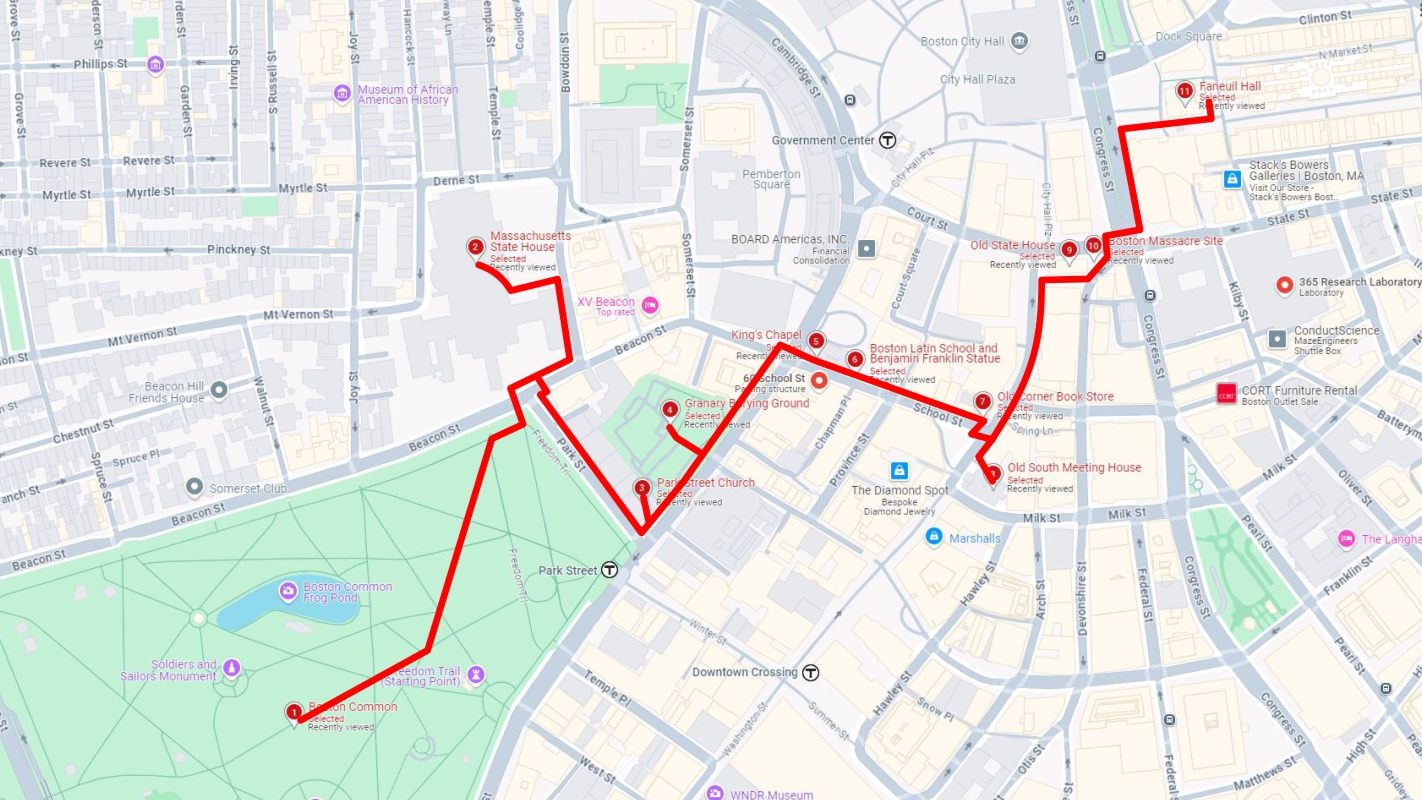
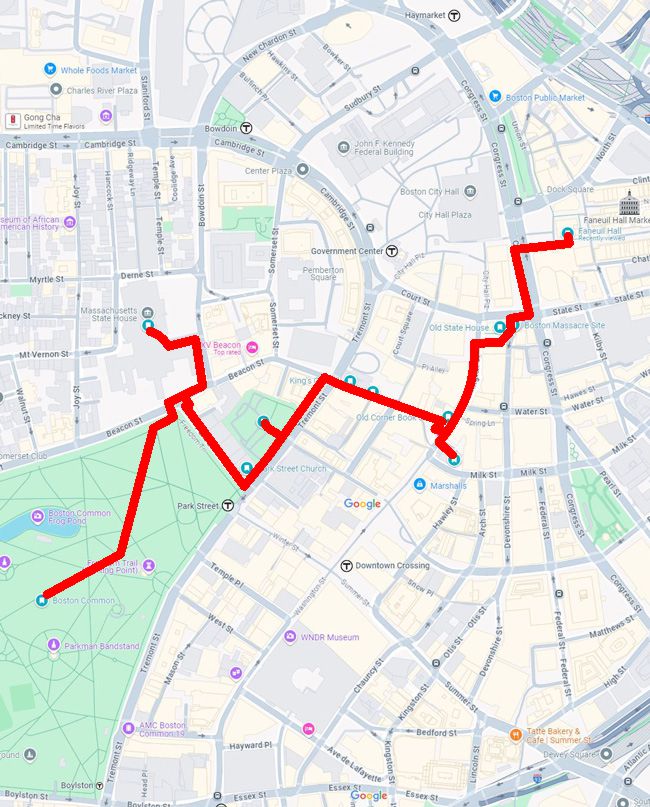
Follow the Map of the American Revolution for a Preview of the Town Crier Tour
1
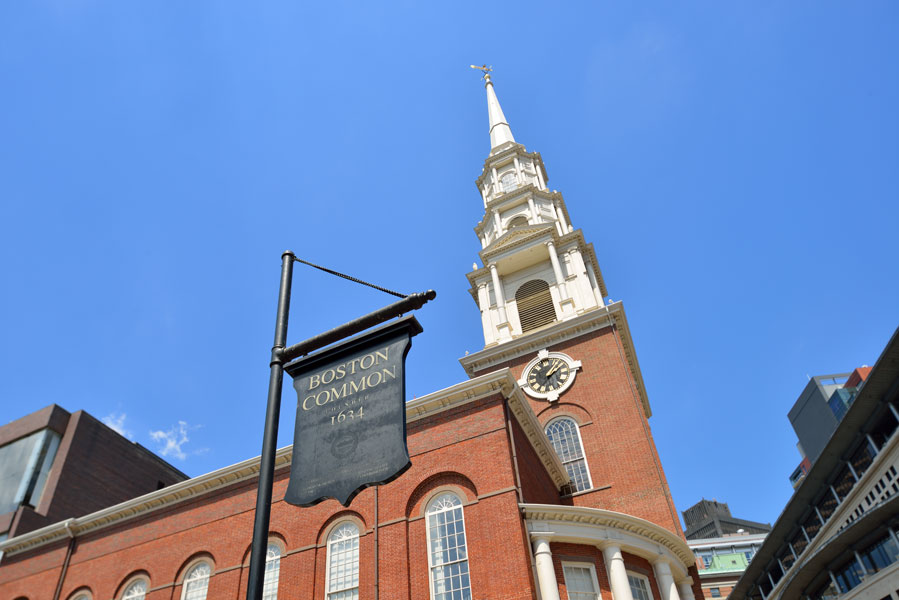
Boston Common
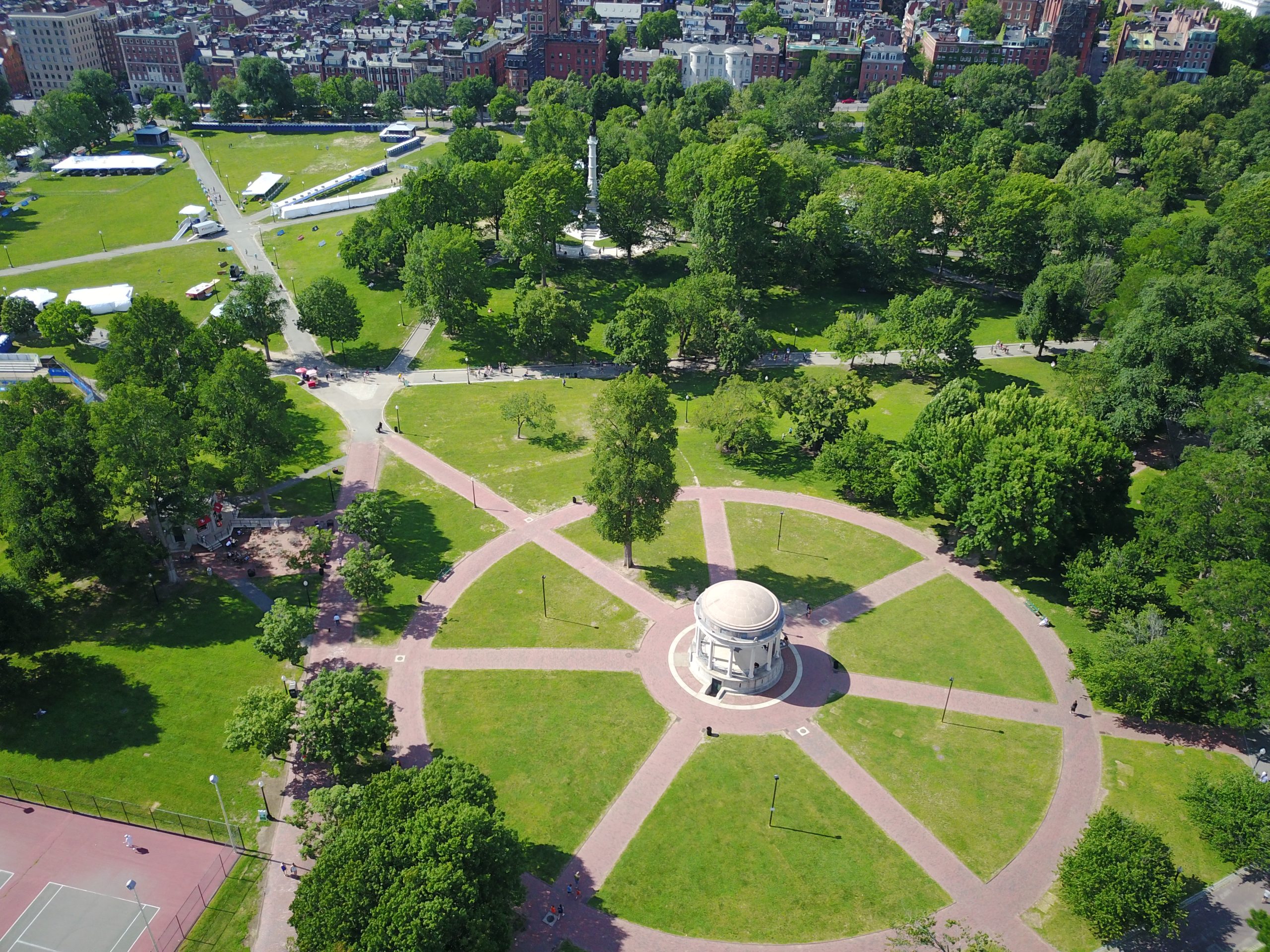
Our tour begins! The Boston Common is America’s oldest public park. Established in 1634, the Common has been the site of pastureland, criminal executions, army training, and public events of all kinds.
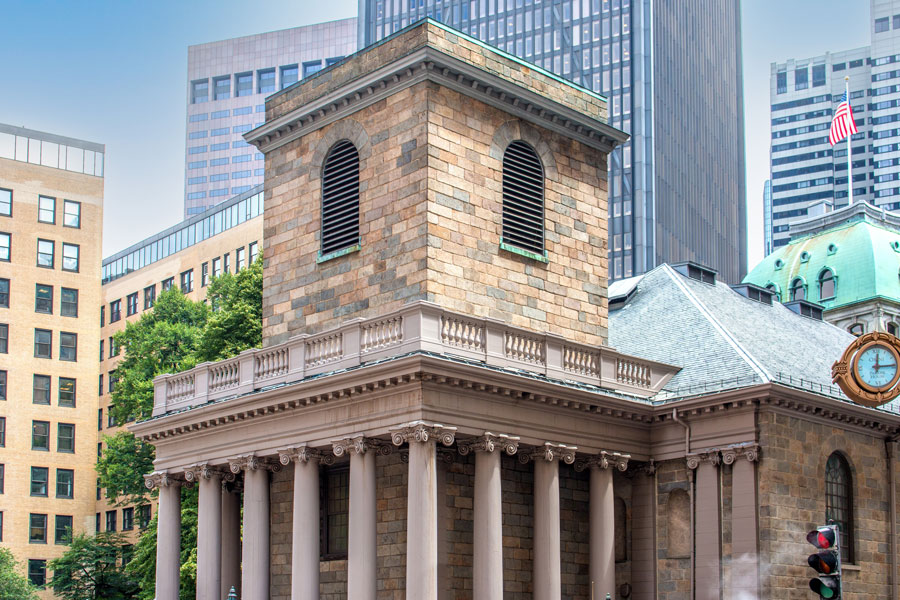
Founded in 1686 as Boston’s first Anglican church, King’s Chapel stands on the corner of Boston’s oldest English burying ground.
6
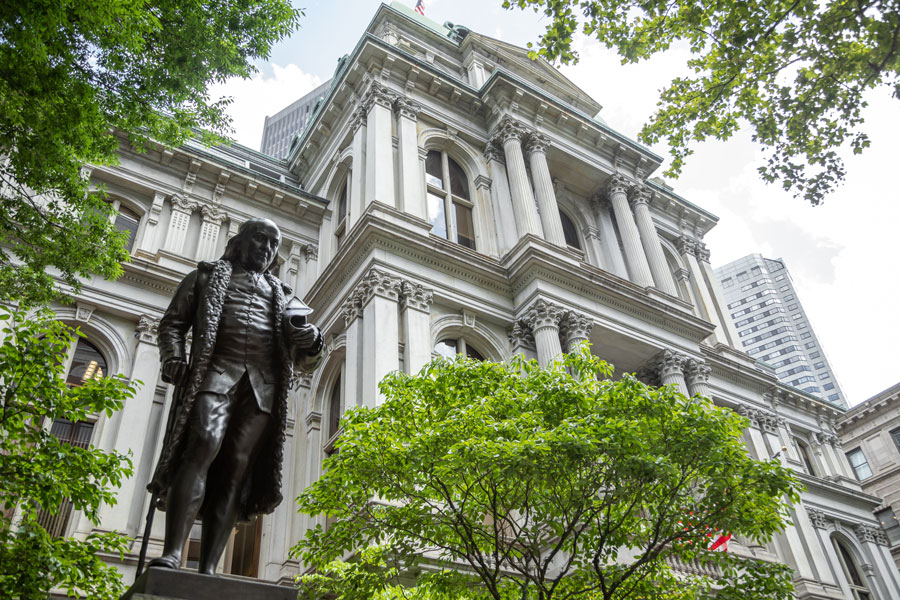
Boston Latin School site
A statue of former student Benjamin Franklin marks the original location of the oldest public school in America.
7
Old Corner Bookstore
Boston’s oldest commercial building was home to the publisher of Walden, The Scarlet Letter, and The Midnight Ride of Paul Revere.
8
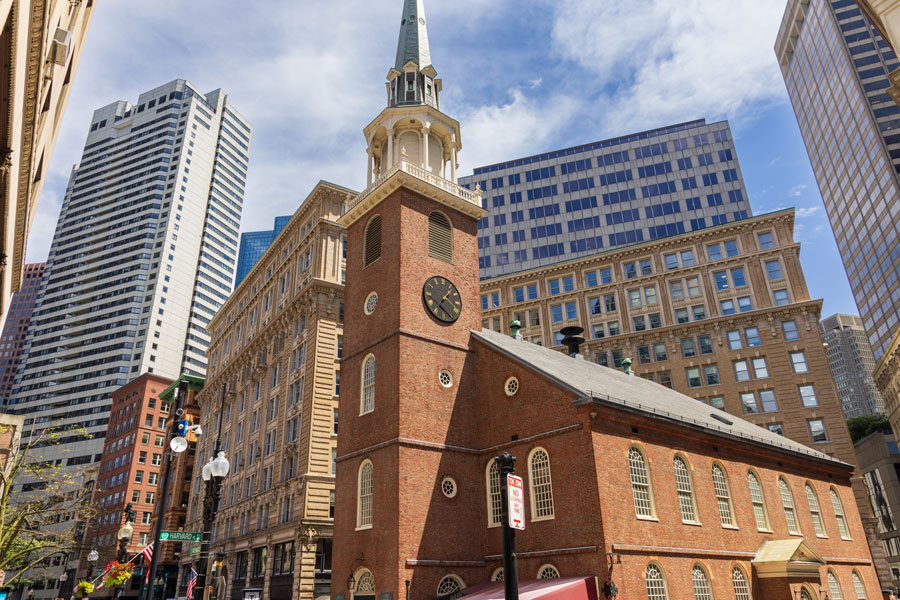
Old South Meeting House
This public forum became the center for debate and protest between Patriots and Loyalists. It was here that the Sons of Liberty planned the Boston Tea Party on December 16, 1773.
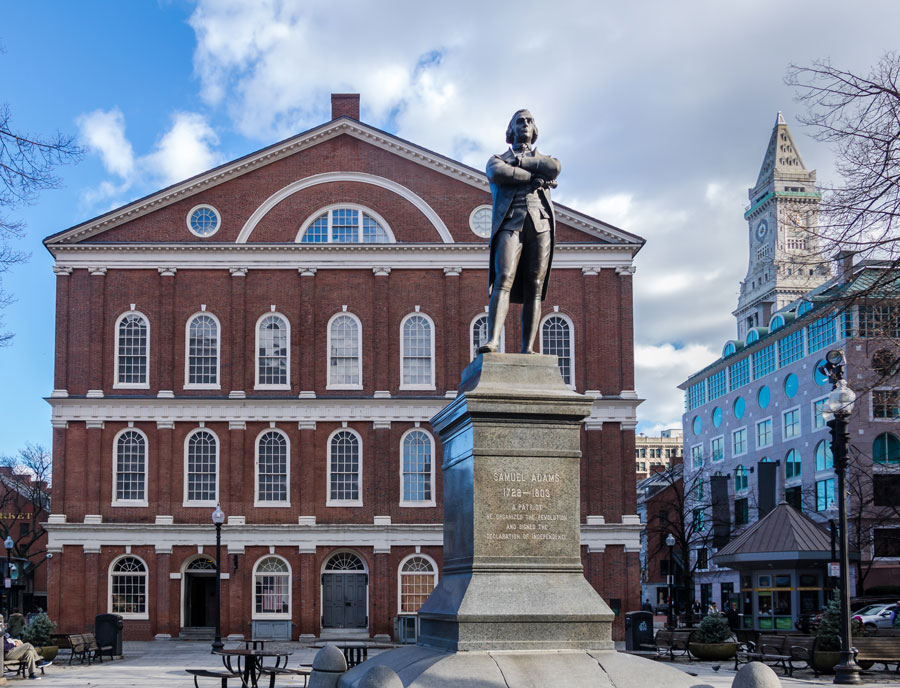
Faneuil Hall has served as a public meeting hall and marketplace for more than 270 years. It’s where the Sons of Liberty first proclaimed their dissent against the Sugar Act and the Stamp Act, and other British oppression. Faneuil Hall and adjacent Quincy Market offer a huge variety of dining and shopping, which makes it the perfect place to end our tour!
Our tour begins! The Boston Common is America’s oldest public park. Established in 1634, the Common has been the site of pastureland, criminal executions, army training, and public events of all kinds.
Founded in 1686 as Boston’s first Anglican church, King’s Chapel stands on the corner of Boston’s oldest English burying ground.
6
Boston Latin School site
A statue of former student Benjamin Franklin marks the original location of the oldest public school in America.
7
Old Corner Bookstore
Boston’s oldest commercial building was home to the publisher of Walden, The Scarlet Letter, and The Midnight Ride of Paul Revere.
8
Old South Meeting House
This public forum became the center for debate and protest between Patriots and Loyalists. It was here that the Sons of Liberty planned the Boston Tea Party on December 16, 1773.
Faneuil Hall has served as a public meeting hall and marketplace for more than 270 years. It’s where the Sons of Liberty first proclaimed their dissent against the Sugar Act and the Stamp Act, and other British oppression. Faneuil Hall and adjacent Quincy Market offer a huge variety of dining and shopping, which makes it the perfect place to end our tour!
To see more, join our tour! Visit Our Tours for more information, including extended tours with more Freedom Trail stops, and private and seasonal events. School group, Military, and Senior Citizen discounts are available.
THIS experience was... WONDERFUL!!! FYI... DONALD WATSON is THE MAN! Was investigating Boston Freedom Trail tour options online and was given a link...Read More »
02-08-2021 via YelpDave A.
An incredible experience. I’m not a history buff so “Phillis Wheatley” was the perfect tour guide for us. A perfect mixture of facts and her...Read More »
28-09-2025 via GoogleJeff Brainard
Just went on an amazing, informative tour! My guide was great and enlightened me to how many pivotal things in history happened right here in...Read More »
08-04-2024 via YelpJenea F.
We really appreciated all the knowledge and cool facts we learned about Boston and the Freedom Trail. Our tour guide was Adri, the wonderful Belgium...Read More »
16-10-2025 via GoogleCarla Ramirez
We took this tour on our first day in Boston and it was OUTSTANDING! Our tour guide was very knowledgeable and made the stories fun...Read More »
07-10-2018 via YelpA F.
Loved our tour guide, “James Otis”. He was well-informed, funny, and did his best to keep us in the shade. This was the highlight...Read More »
04-08-2022 via GoogleLaura Snitcher
Tour guide Adrian is incredibly knowledgeable and nailed the Boston humor, in all great tour! We did the 90 min walking tour of the first...Read More »
29-04-2025 via GoogleJulie Amsdell
Adri was a fantastic tour guide! My mom and I greatly enjoyed the mix of historical background and amount of sites you get to see...Read More »
23-10-2025 via GoogleElyssa Drexel
Meet Our Guides
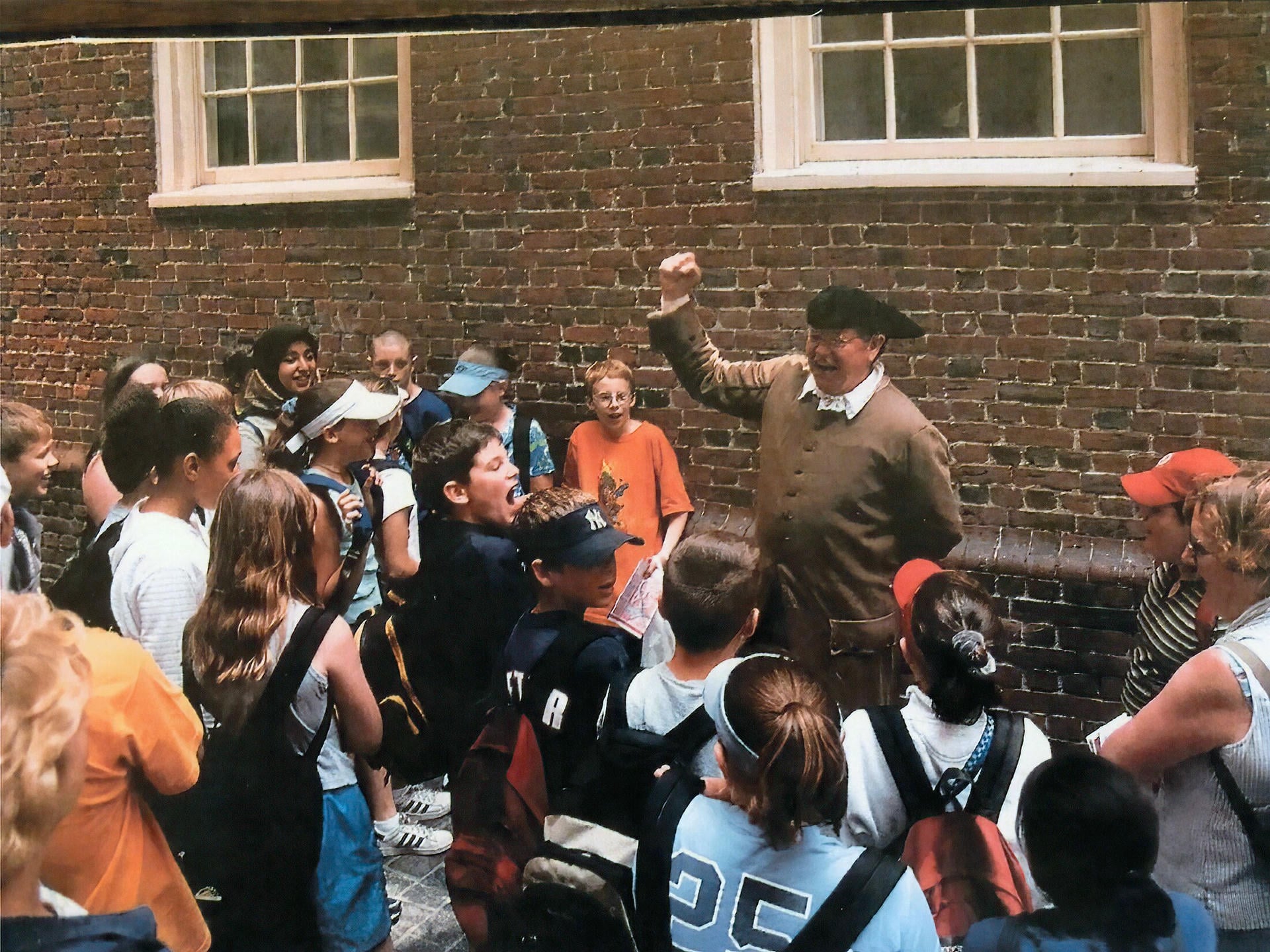
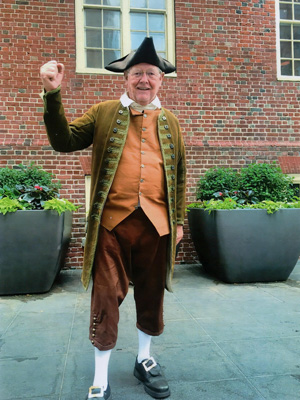
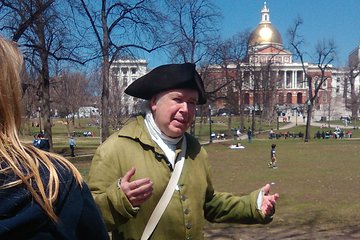
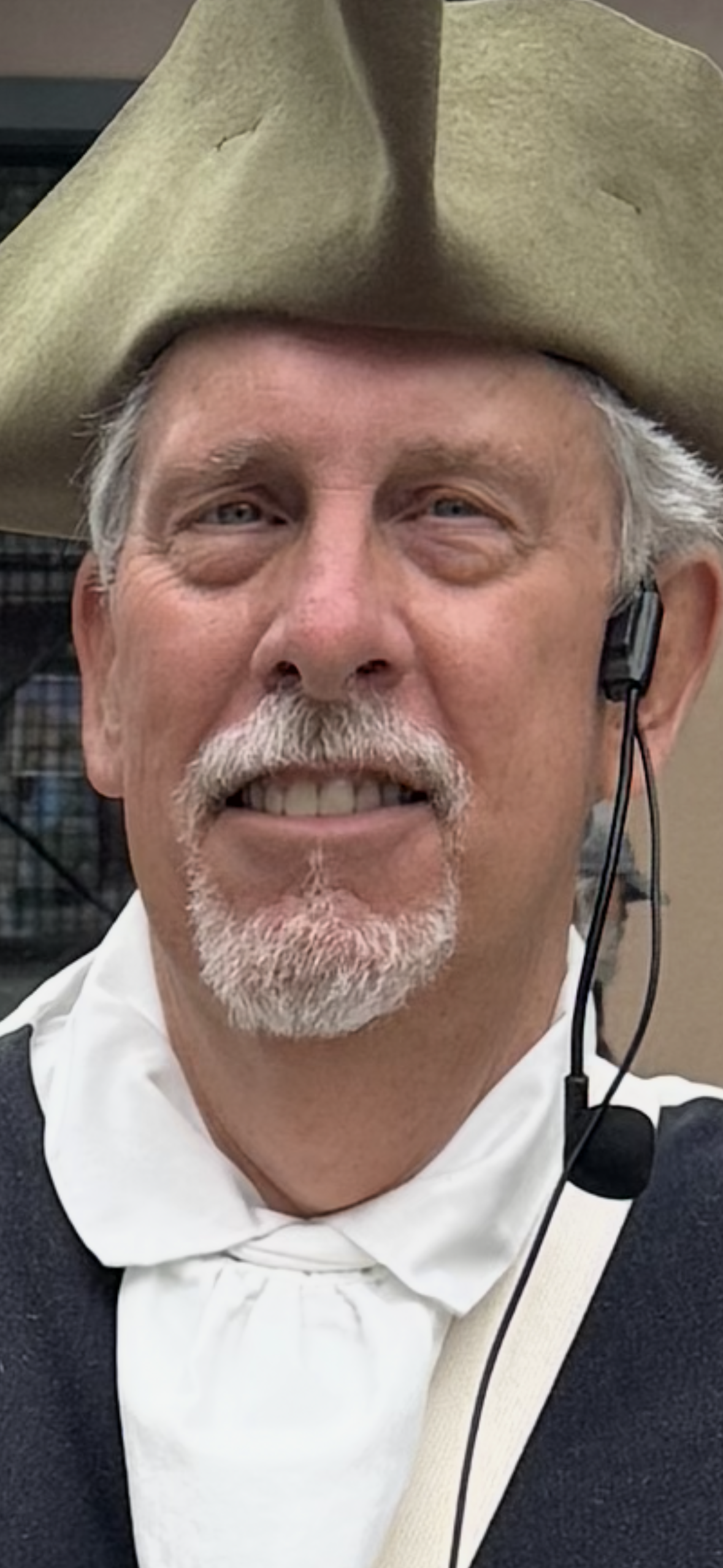
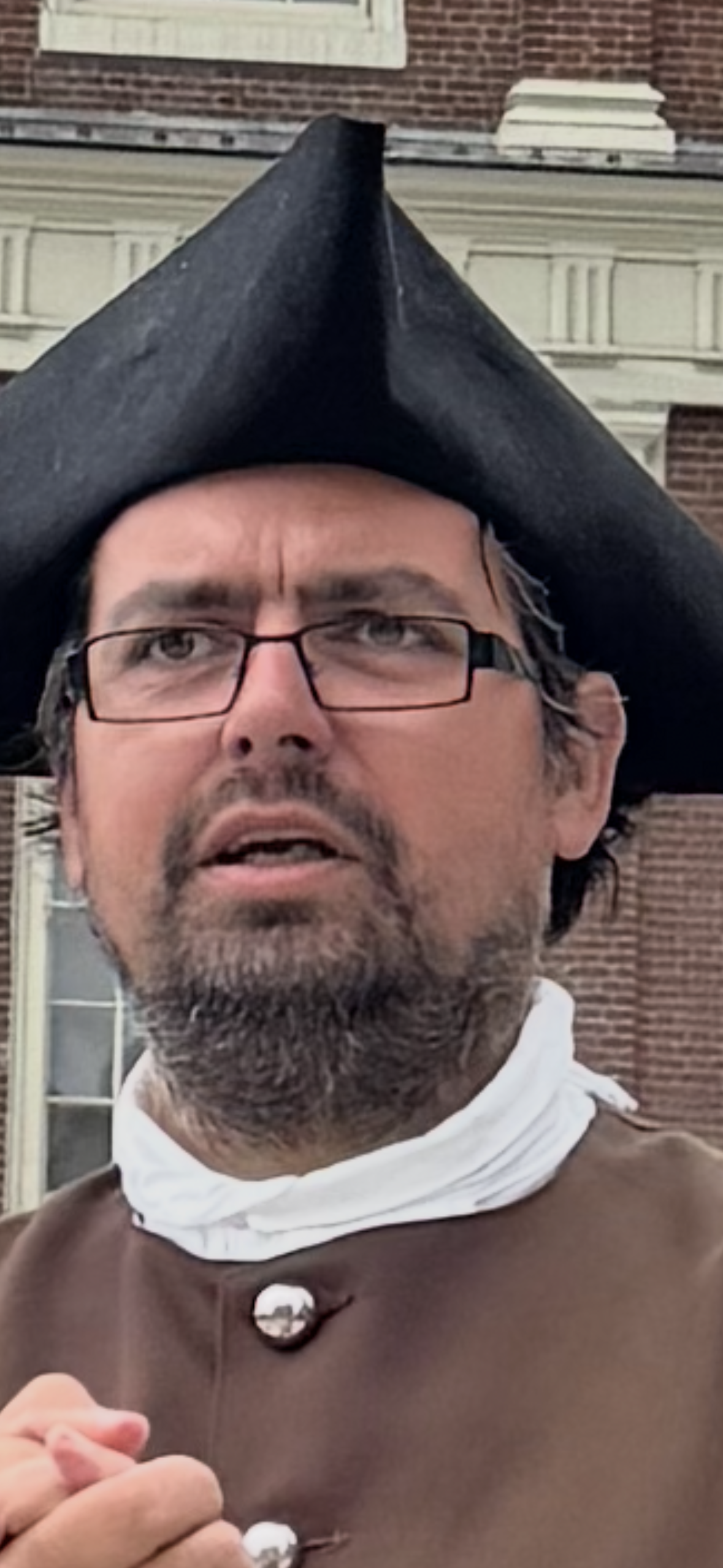
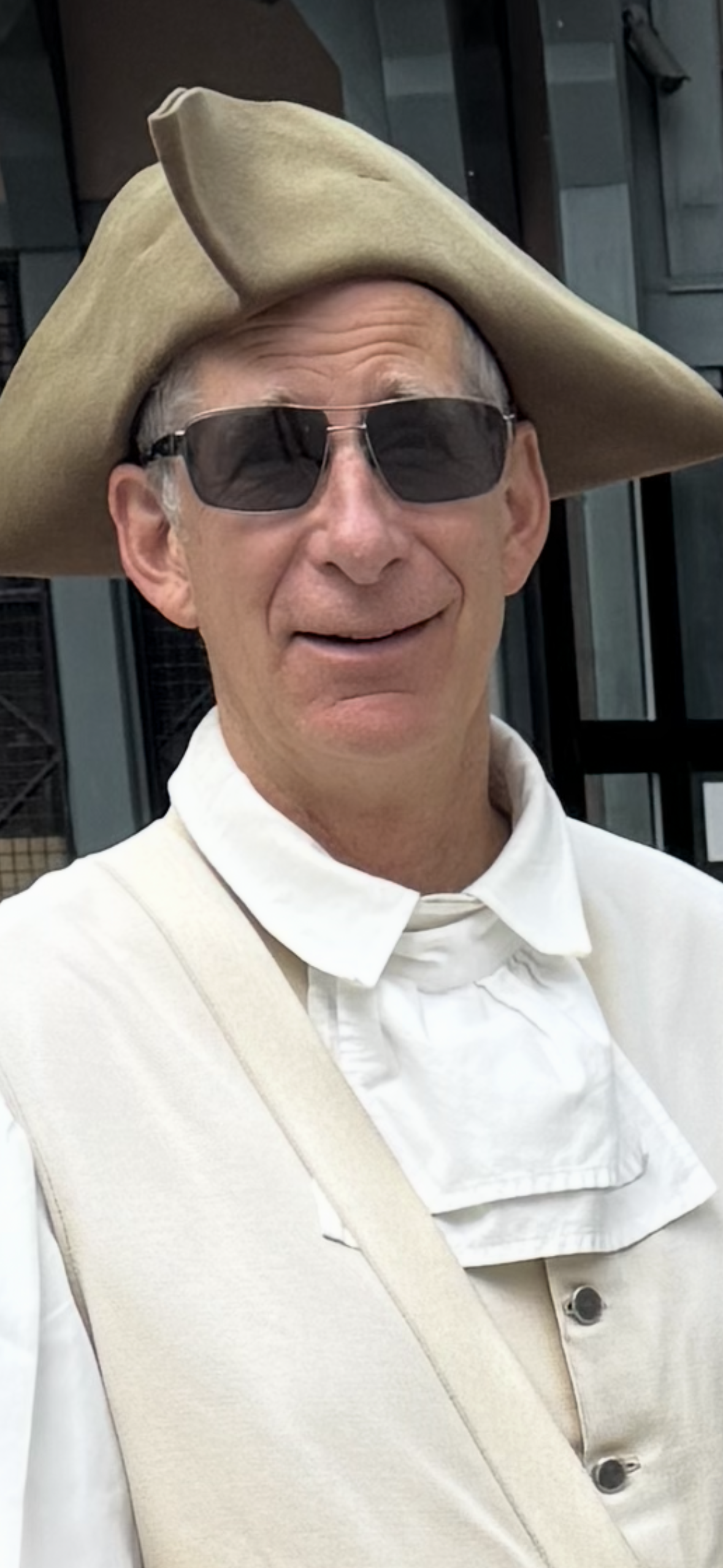
Our engaging tour guides portray characters from Colonial Boston, with one foot in the past and one in the present. In other words, they immerse you in the Revolutionary era but don’t mind directing you to the nearest Dunkin!
James Otis
Orator, Lawyer, Founding Father. Famous for coining the phrase, “Taxation without representation is tyranny!”
Sexton of the Old North Church, hung the lantern to signal Paul Revere: “One if by land and two if by sea,” on the eve of the first battle of the American Revolution.
“Many thanks for all of your help in providing an interesting tour of Boston… My staff said you were fabulous and they greatly appreciated your assistance.”
Senator Edward M. Kennedy
“Fantastic tour – entertaining and knowledgeable guide! Jeremiah was our guide and he was fantastic – even on a scorching hot day he kept three teens entertained (no mean feat, I can tell you!) He was incredibly knowledgeable, very very funny, and a pleasure to spend a couple of hours with.”
Sonia, Trip Advisor Review
“Wonderful!”
Ann Curry, Today Show/Dateline NBC
“Good pace to the walking tour, never felt rushed, always waited for everyone to catch up before talking, answered all questions with an obvious depth of knowledge! Had us all yelling ‘FIE!’ And ‘HUZZAH!’ throughout the tour as we hit 11 of the Freedom Trail sites. We finished at Faneuil Hall/Quincy Market, all VERY happy our experience, all exuberantly saying ‘FIE!’ when Mr. Watson announced ‘We’ve reached the end our tour.’ HAH! All the families wanted to get pictures with Mr. Watson, cuz we ‘kinda’ enjoyed our jaunt with him way too much ;)”
Dave A., Yelp Review
“Highly recommended.”
Burt Wolf, Burt Wolf's Travel Show
“Jeremiah was very good and gave us a wealth of history and a grain of humor. We loved the tour and learned so much about our founders and country.”
L.B., Trip Advisor Review
“The children were riveted!”
National Public Radio
“Great walking tour and Jeff was excellent. Very engaging and we were looked after during the walk. Wide knowledge of local history and entertaining.”
D.H., Trip Advisor Review
“You were gracious with your time, photo ops with the group, and were an engaging and wonderful representative of the city we love so much…You truly set the stage for a quintessential Boston experience.”
Gina L. DeRossi, Commonwealth of Massachusetts Appeals Court
“We really enjoyed the tour and Adri was a great guide! He did a really neat job of balancing historical facts with some humor and ‘fun facts’.”
Gabriel F., Trip Advisor Review
“Brings history to life!”
Boston Herald
“We loved our tour! It was just the right amount of interesting facts, history, and humor. The tour was moving at a good pace where you can rest a bit between historical landmarks.”