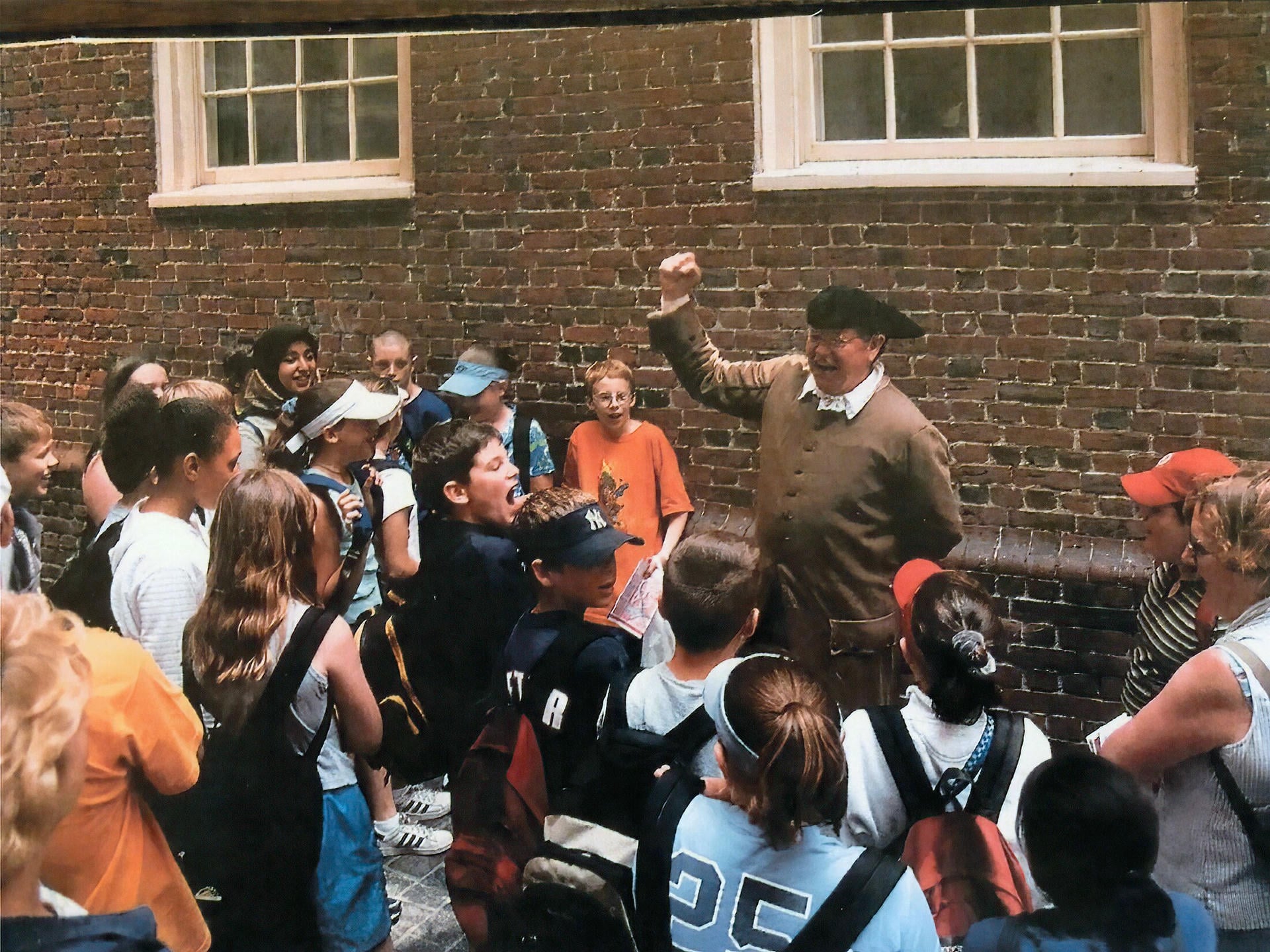
Boston Town Crier’s 90-minute public tour runs at 9:30 AM, 12:30 PM and 2:30 PM, seven days a week, rain or shine!
Step into the heart of American history with our immersive walking tour of Boston’s iconic Freedom Trail! This red-brick path winds through the city’s most historic neighborhoods, connecting nationally significant sites that tell the story of the American Revolution and the founding of the United States.
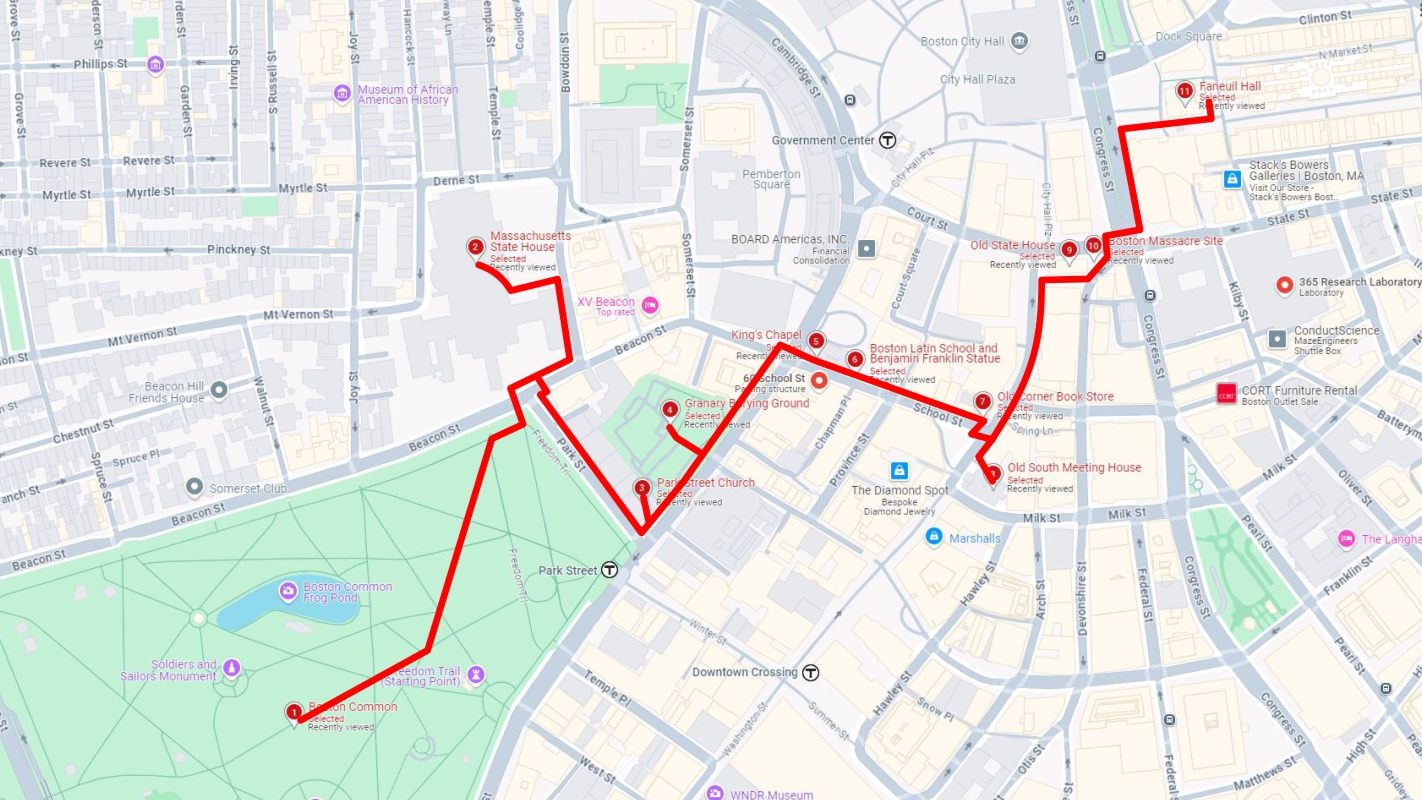
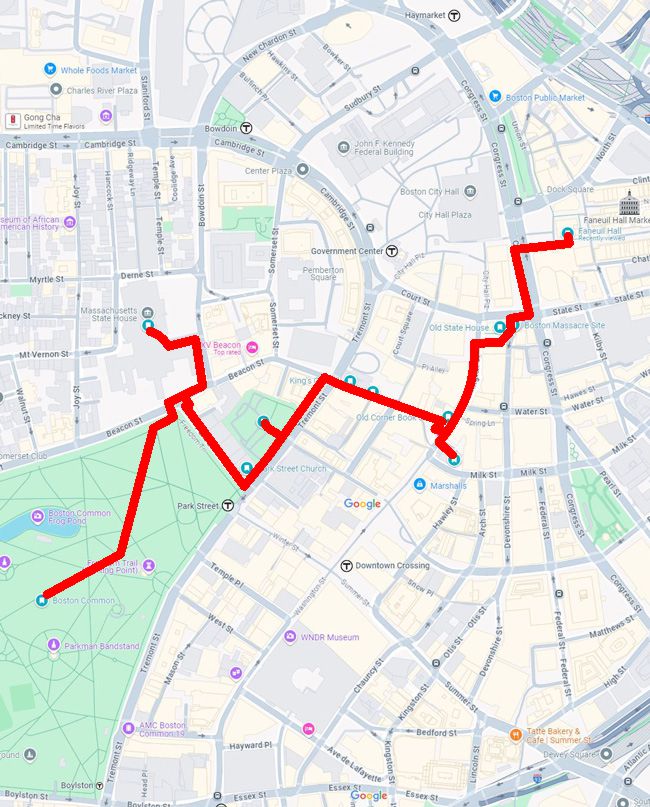
Our tour begins at the Boston Common Visitor’s Center (139 Tremont St.) and ends at Faneuil Hall and Quincy Market, which offer a large variety of dining and shopping options. On the way, our engaging, costumed guide will introduce you to the history and drama of the Revolutionary-era Boston.
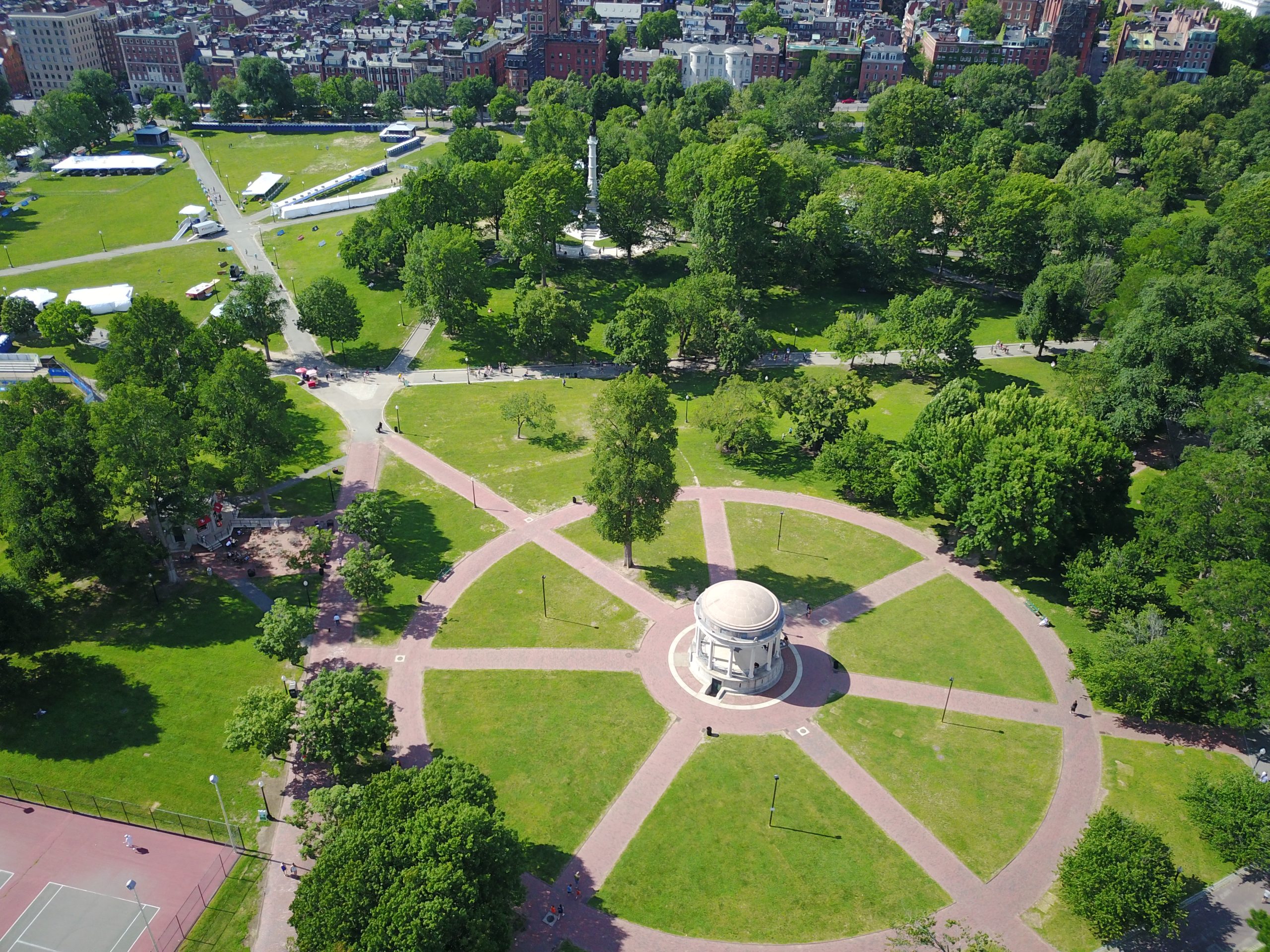
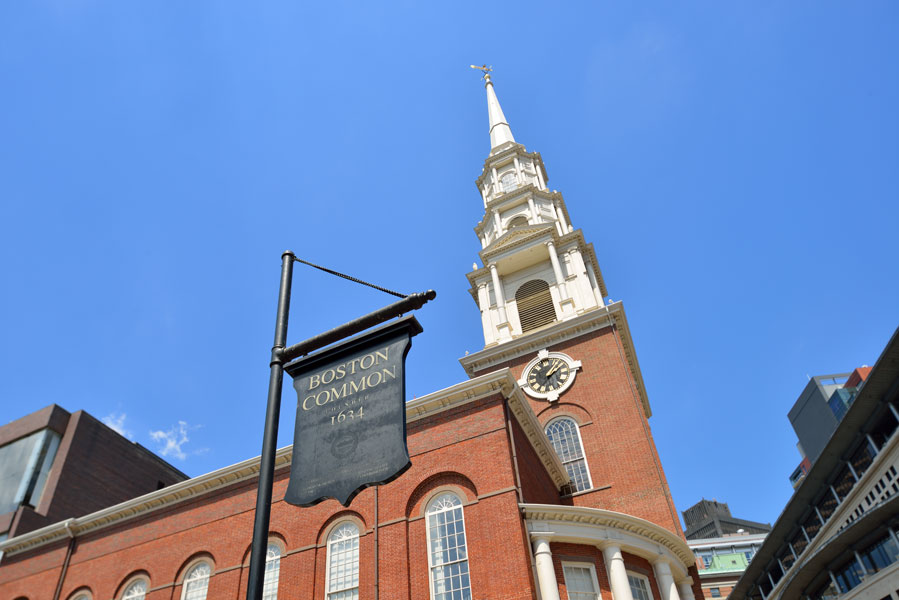
Our tour begins! The Boston Common is America’s oldest public park. Established in 1634, the Common has been the site of pastureland, criminal executions, army training, and public events of all kinds.
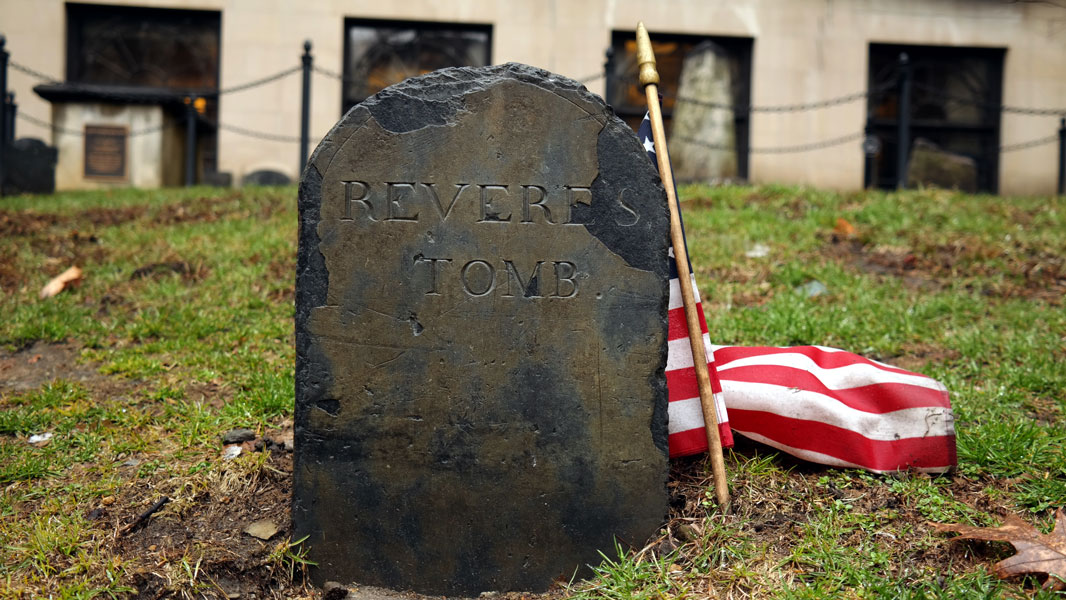
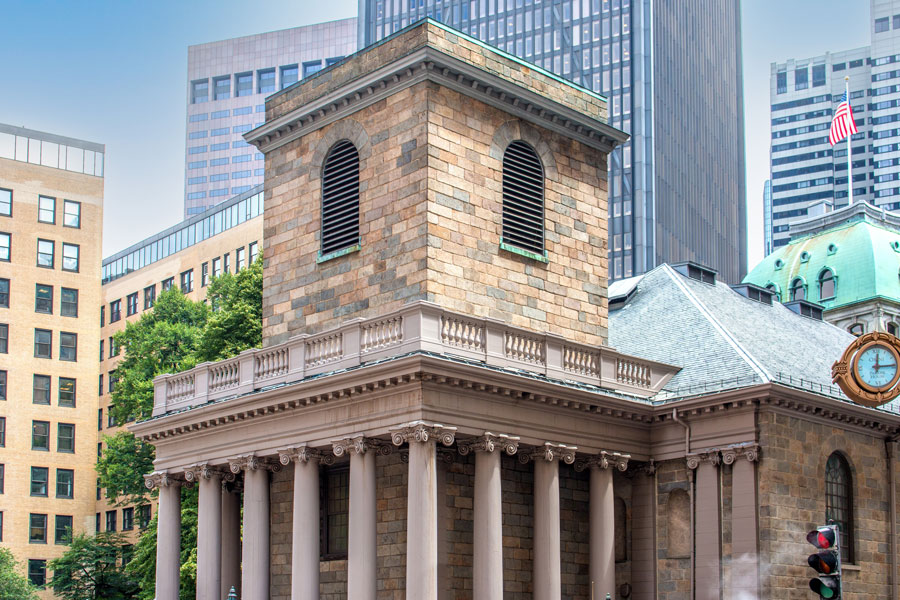
Founded in 1686 as Boston’s first Anglican church, King’s Chapel stands on the corner of Boston’s oldest English burying ground.
6
Boston Latin School site
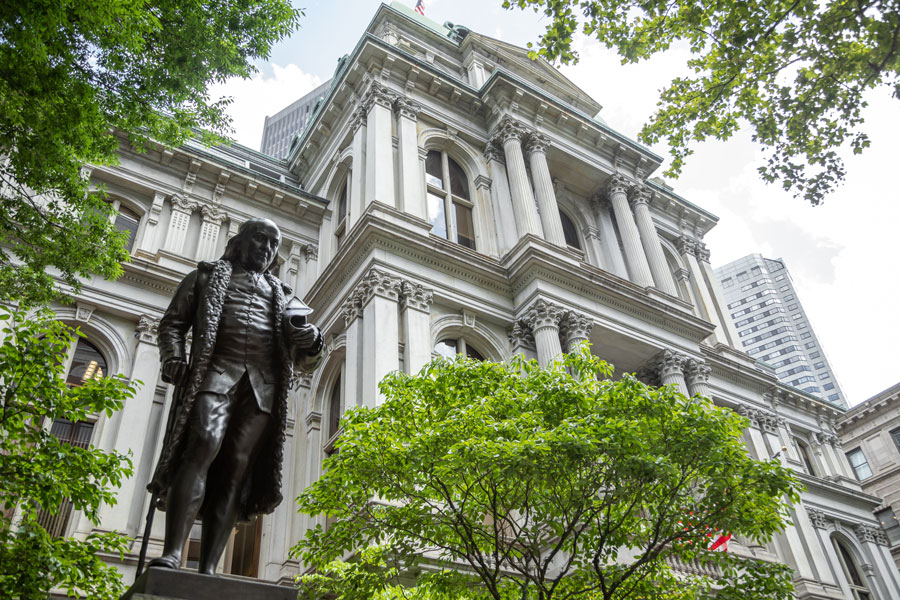
A statue of former student Benjamin Franklin marks the original location of the oldest public school in America.
7
Old Corner Bookstore
Boston’s oldest commercial building was home to the publisher of Walden, The Scarlet Letter, and The Midnight Ride of Paul Revere.
8
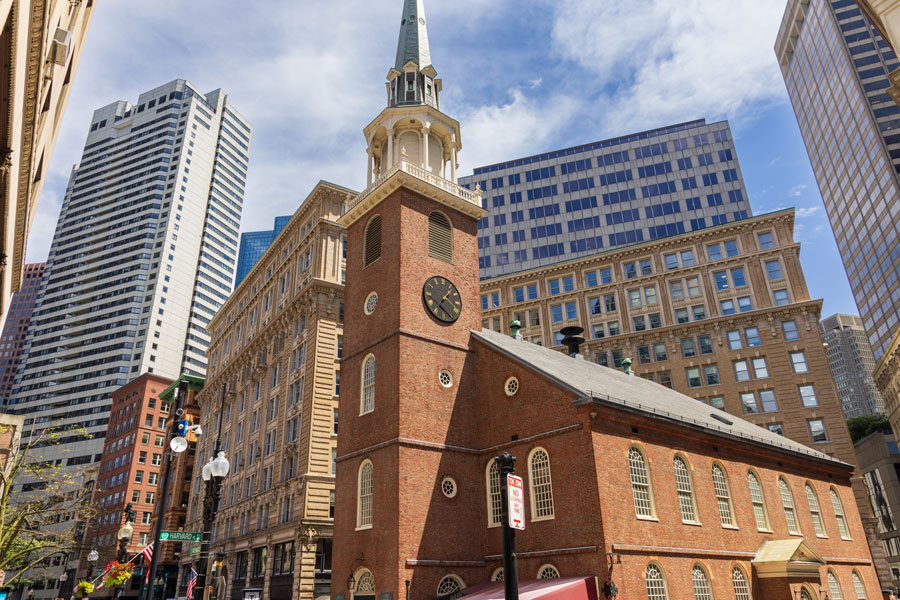
Old South Meeting House
This public forum became the center for debate and protest between Patriots and Loyalists. It was here that the Sons of Liberty planned the Boston Tea Party on December 16, 1773.
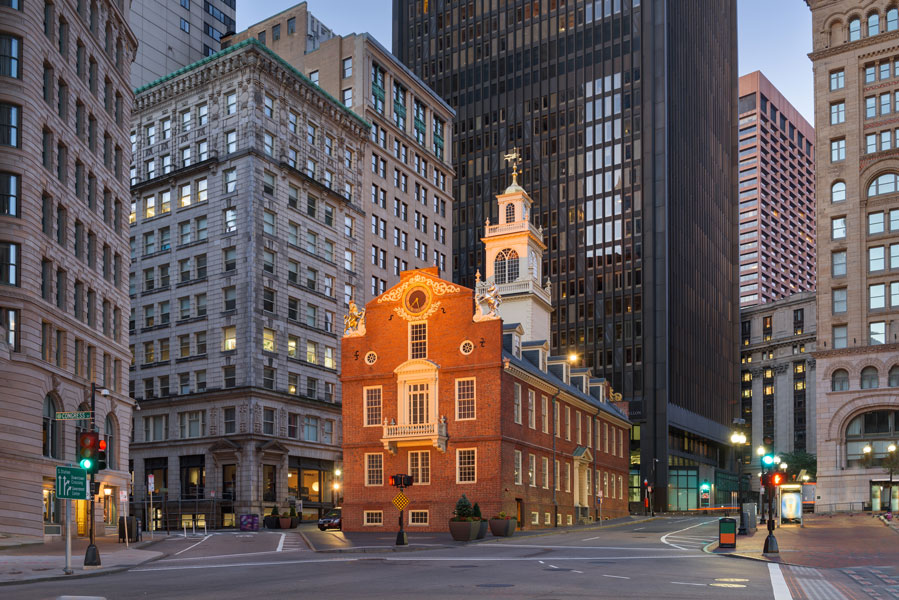
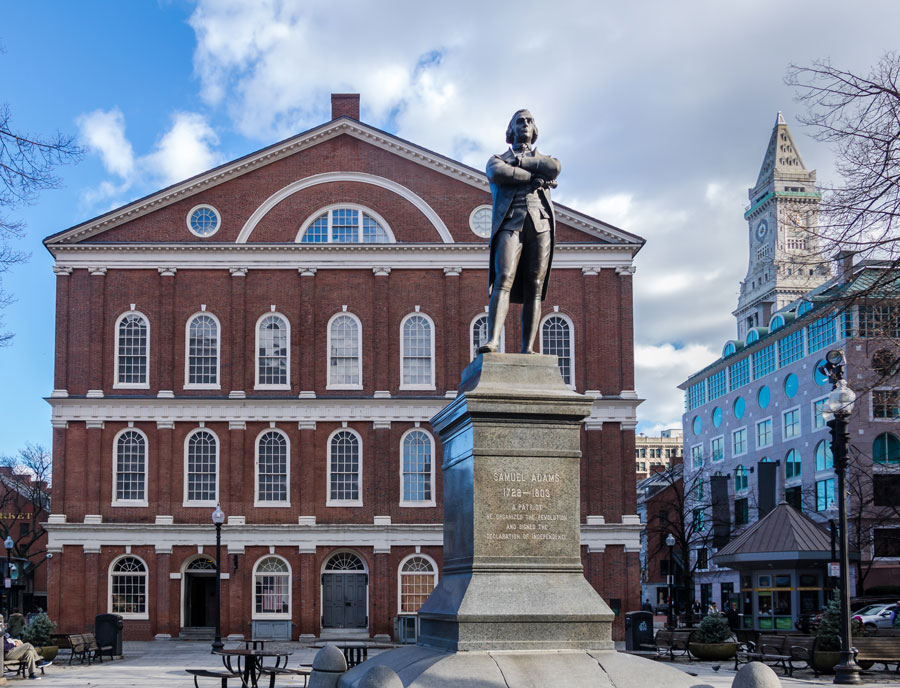
Faneuil Hall has served as a public meeting hall and marketplace for more than 270 years. It’s where the Sons of Liberty first proclaimed their dissent against the Sugar Act and the Stamp Act, and other British oppression. Faneuil Hall and adjacent Quincy Market offer a huge variety of dining and shopping, which makes it the perfect place to end our tour!
Our tour begins! The Boston Common is America’s oldest public park. Established in 1634, the Common has been the site of pastureland, criminal executions, army training, and public events of all kinds.
Founded in 1686 as Boston’s first Anglican church, King’s Chapel stands on the corner of Boston’s oldest English burying ground.
6
Boston Latin School site
A statue of former student Benjamin Franklin marks the original location of the oldest public school in America.
7
Old Corner Bookstore
Boston’s oldest commercial building was home to the publisher of Walden, The Scarlet Letter, and The Midnight Ride of Paul Revere.
8
Old South Meeting House
This public forum became the center for debate and protest between Patriots and Loyalists. It was here that the Sons of Liberty planned the Boston Tea Party on December 16, 1773.
Faneuil Hall has served as a public meeting hall and marketplace for more than 270 years. It’s where the Sons of Liberty first proclaimed their dissent against the Sugar Act and the Stamp Act, and other British oppression. Faneuil Hall and adjacent Quincy Market offer a huge variety of dining and shopping, which makes it the perfect place to end our tour!