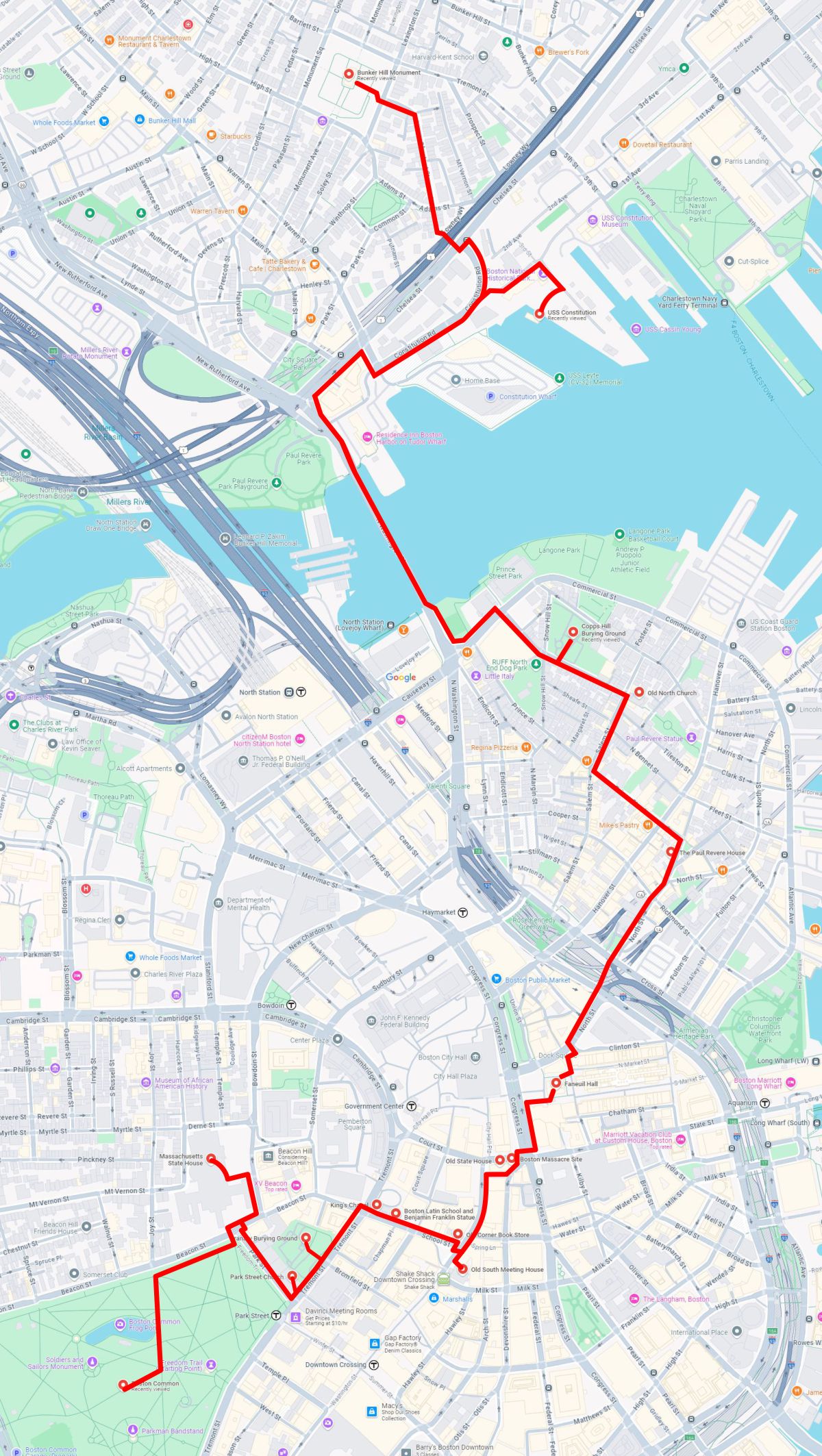
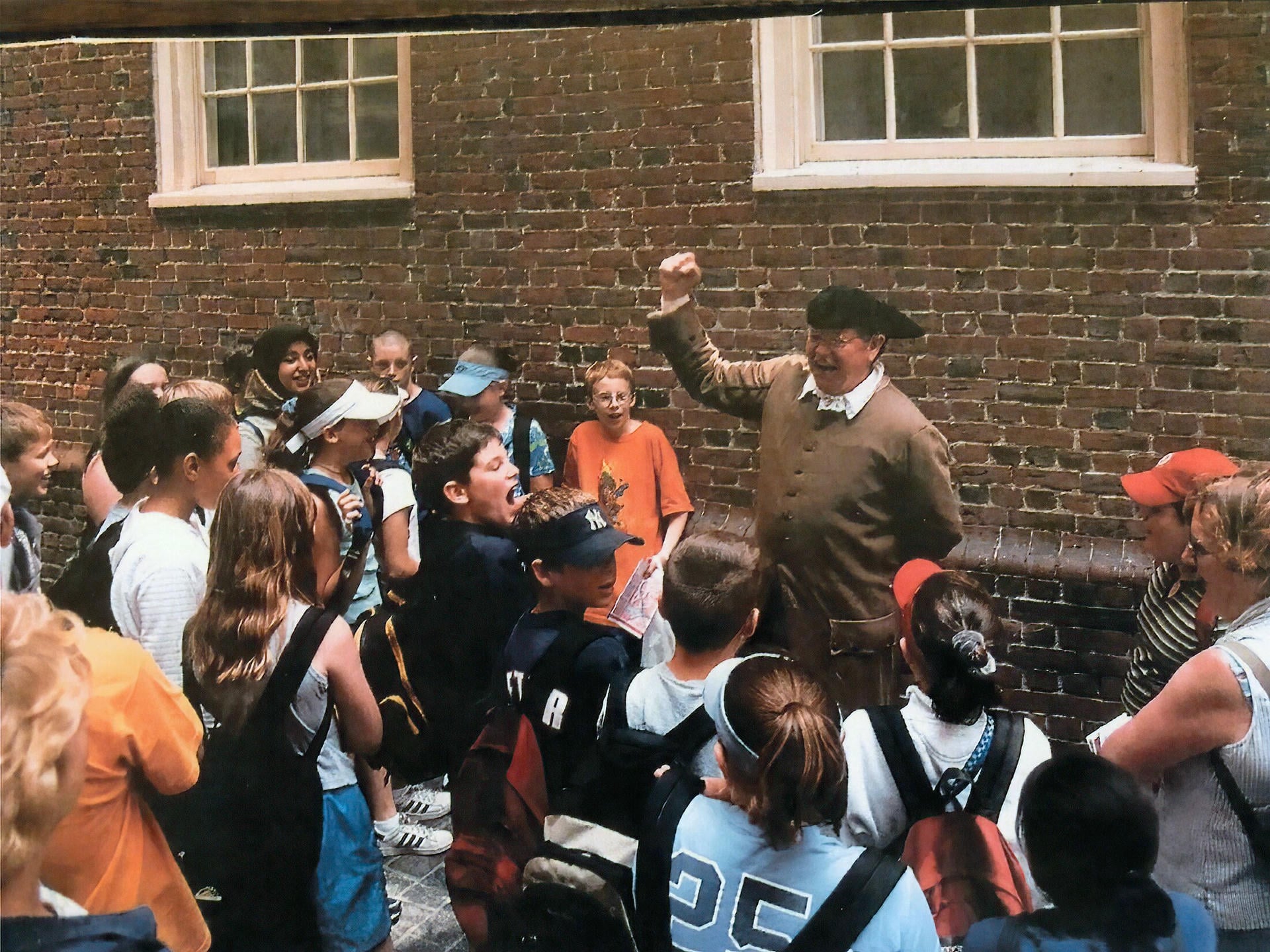
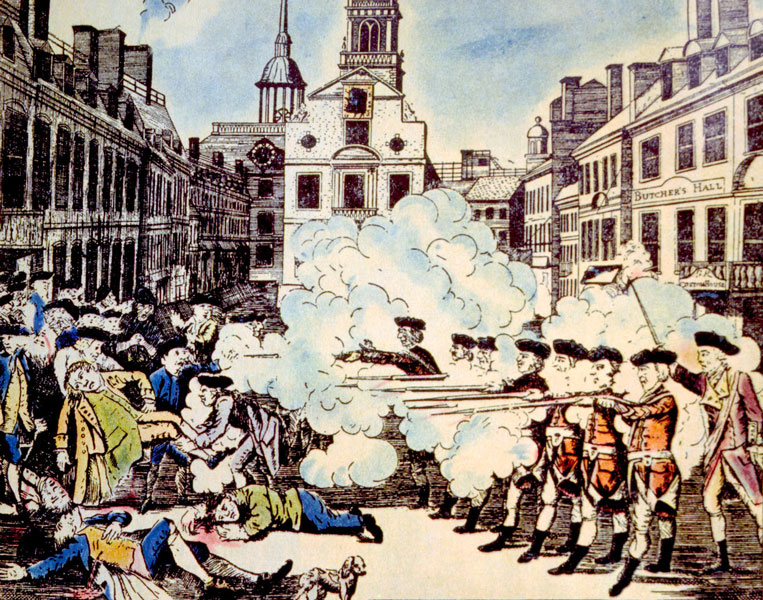
Embark on a complete journey through Boston’s revolutionary past with our 4-hour Private Tour. This immersive experience covers all 16 stops along the 2.5-mile trail, offering a deep dive into the events, people, and places that shaped the birth of America.
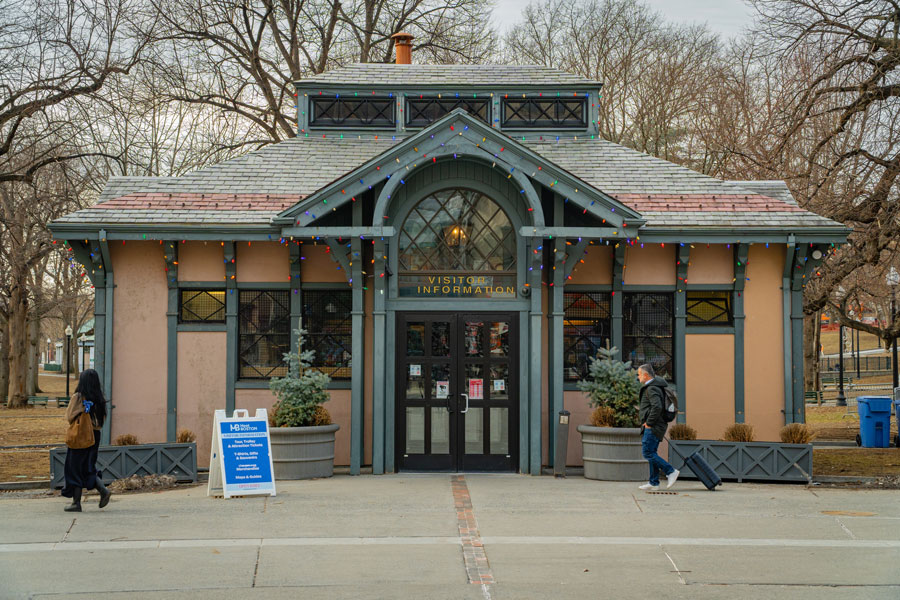
Boston Town Crier’s 4-hour Extended Private Tour begins at the Boston Common Visitor’s Center (139 Tremont St.) and ends with the Bunker Hill Monument in Charlestown.
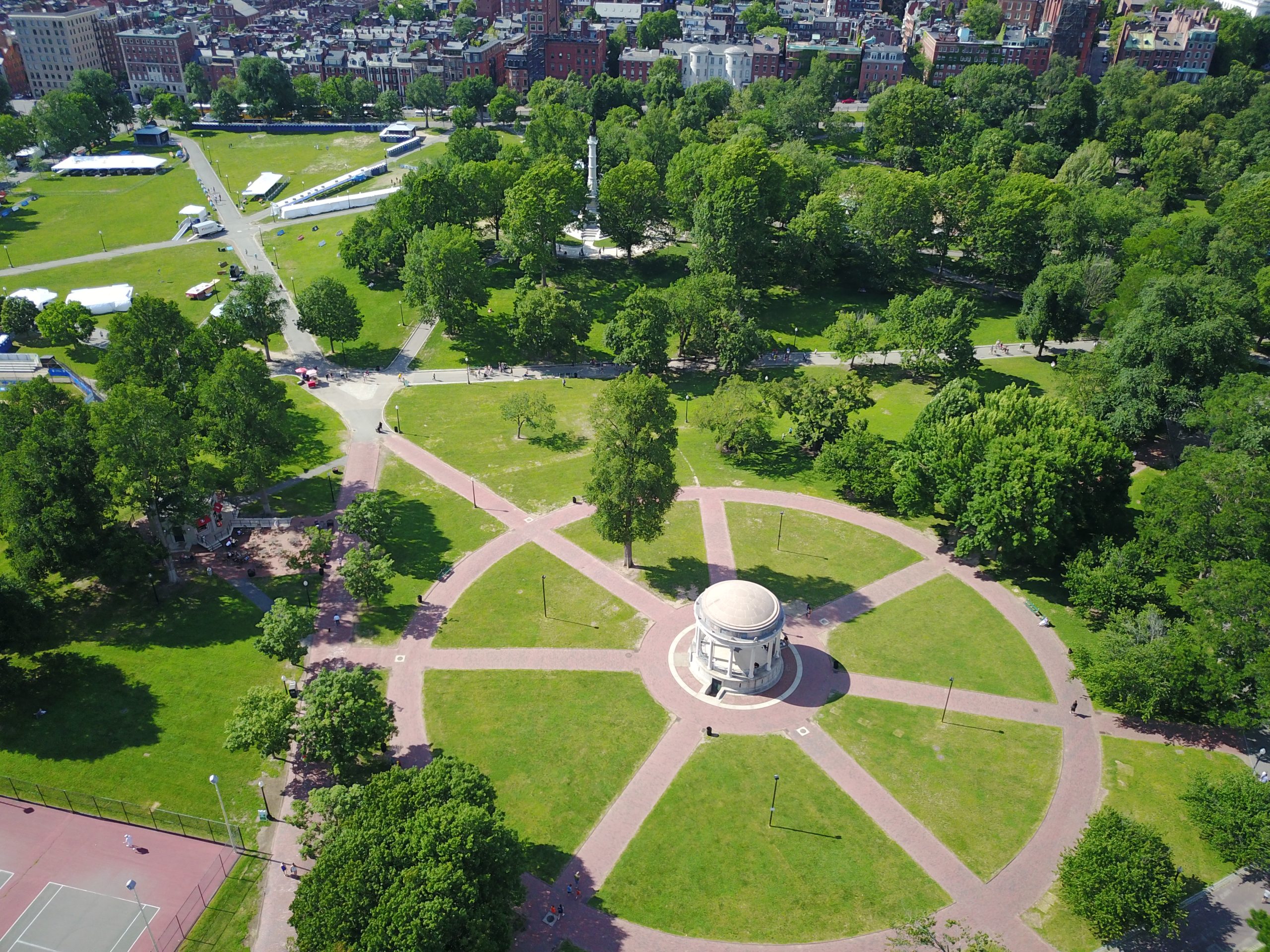
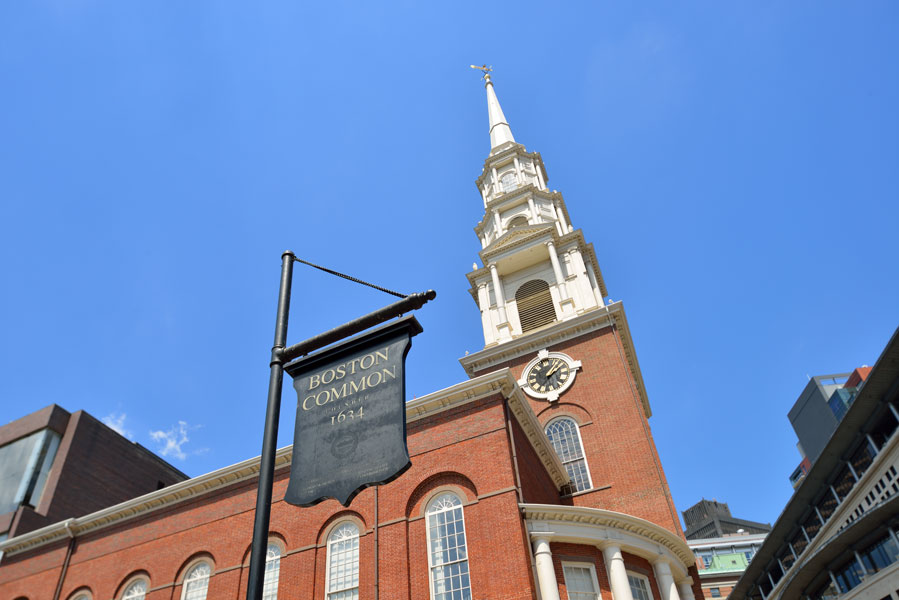
Our tour begins! The Boston Common is America’s oldest public park. Established in 1634, the Common has been the site of pastureland, criminal executions, army training, and public events of all kinds.
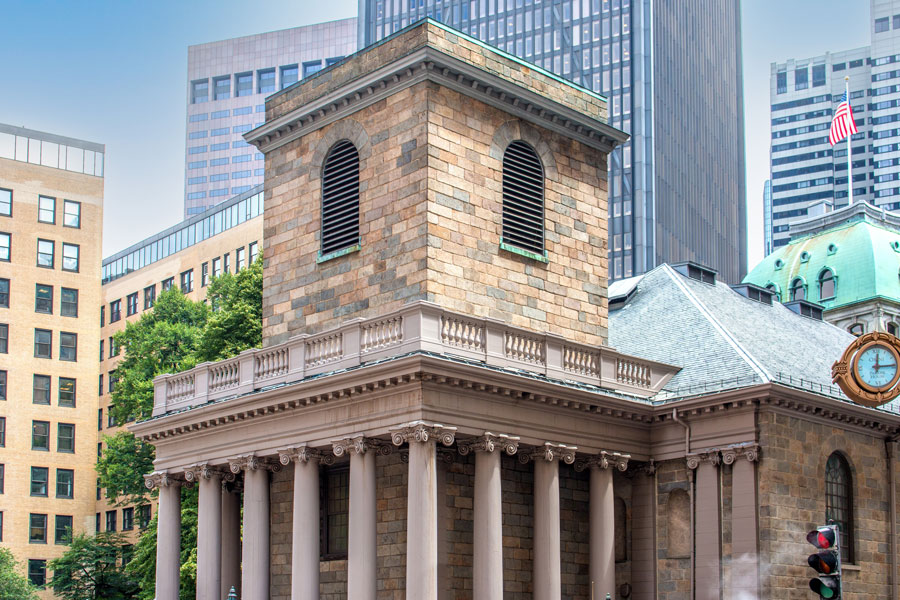
Founded in 1686 as Boston’s first Anglican church, King’s Chapel stands on the corner of Boston’s oldest English burying ground.
6
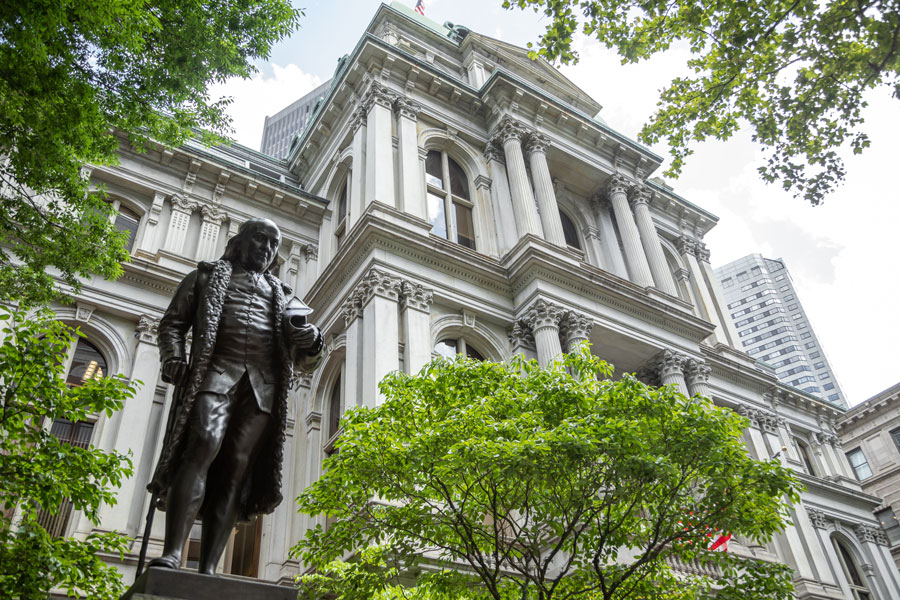
Boston Latin School site
A statue of former student Benjamin Franklin marks the original location of the oldest public school in America.
7
Old Corner Bookstore
Boston’s oldest commercial building was home to the publisher of Walden, The Scarlet Letter, and The Midnight Ride of Paul Revere.
8
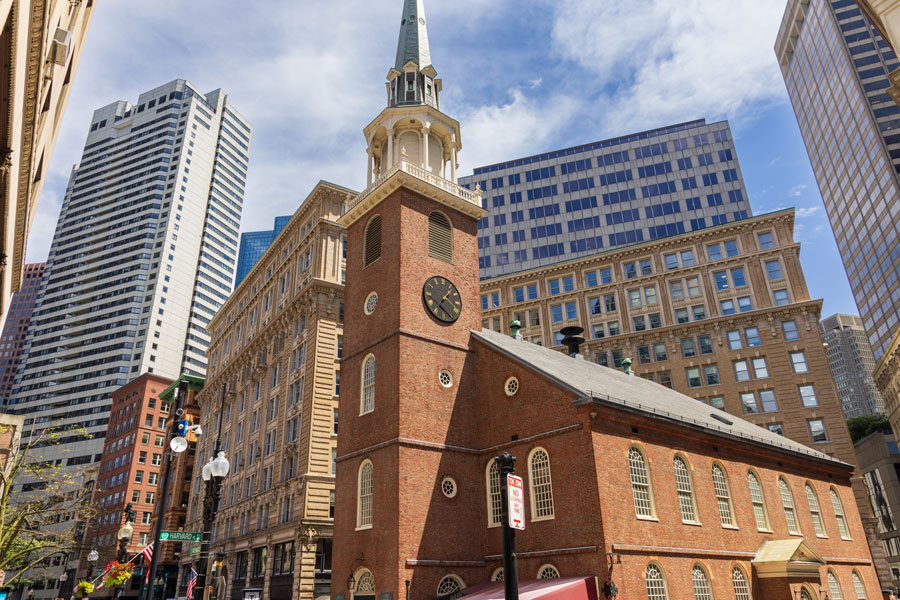
Old South Meeting House
This public forum became the center for debate and protest between Patriots and Loyalists. It was here that the Sons of Liberty planned the Boston Tea Party on December 16, 1773.
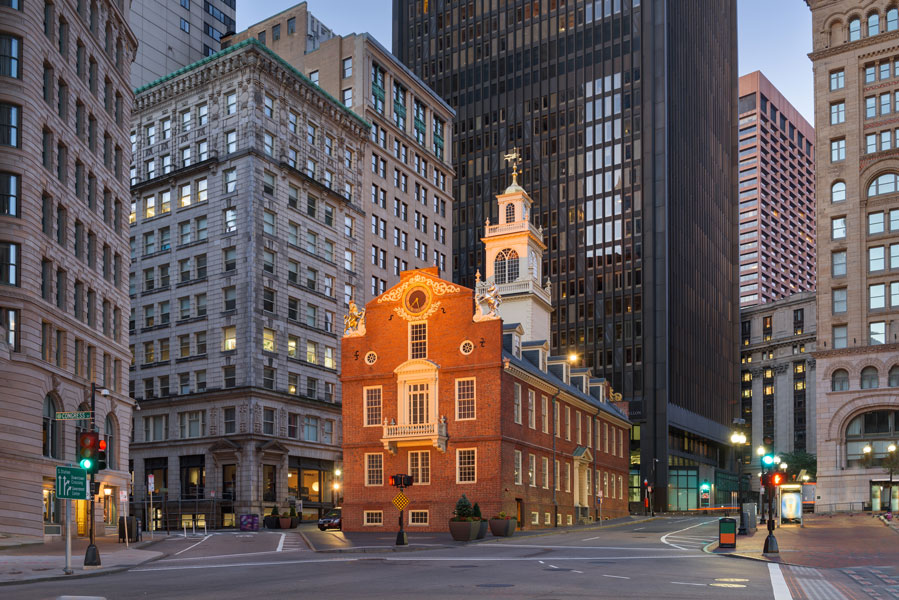
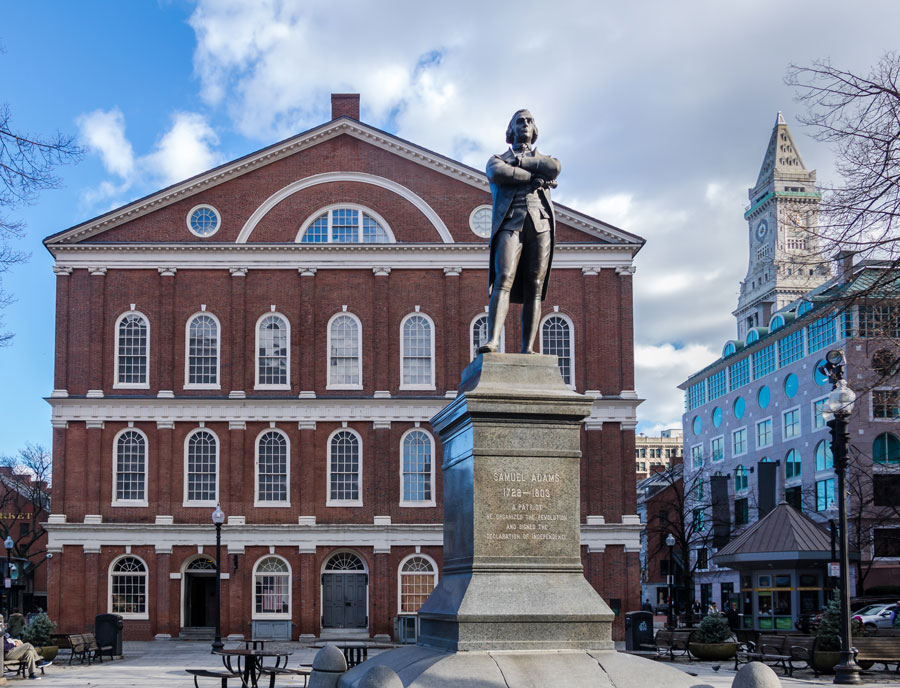
Faneuil Hall has served as a public meeting hall and marketplace for more than 270 years. It’s where the Sons of Liberty first proclaimed their dissent against the Sugar Act and the Stamp Act, and other British oppression. Faneuil Hall and adjacent Quincy Market offer a huge variety of dining and shopping, which makes it the perfect place to end our tour!
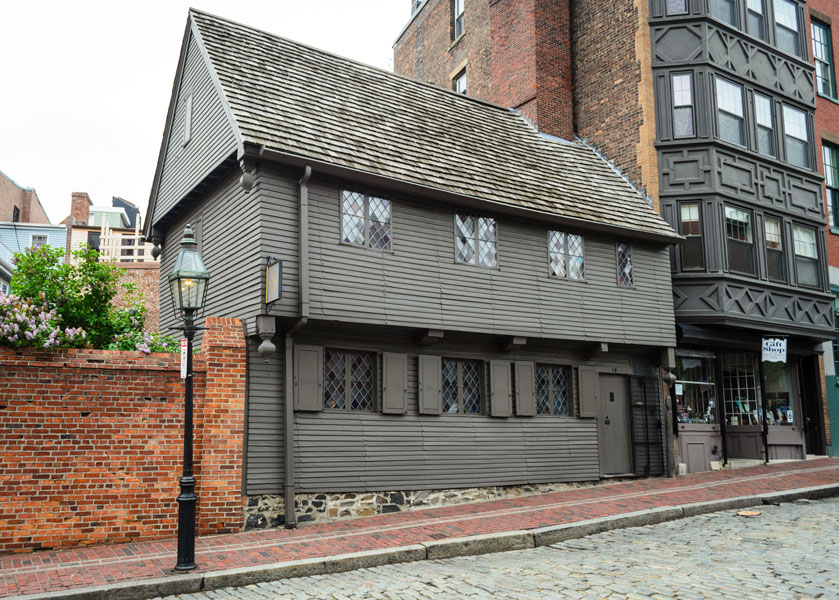
Built in 1680, this oldest house in downtown Boston was owned by the legendary patriot from 1770-1800.
13
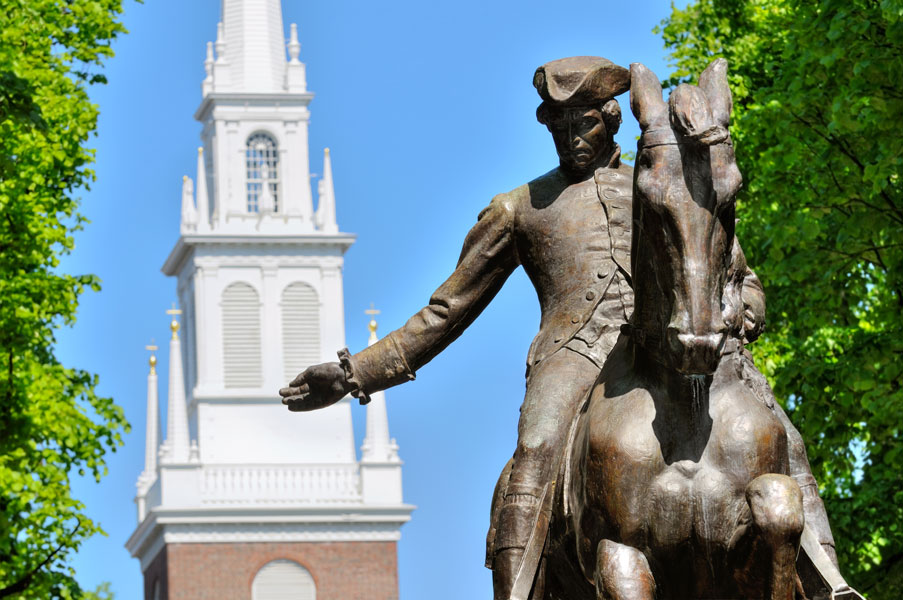
Old North Church
Boston’s oldest church is best known for the lanterns placed in its steeple on April 18, 1775 to signal Paul Revere about the advance of the British army: “One if by land, two if by sea.”
14
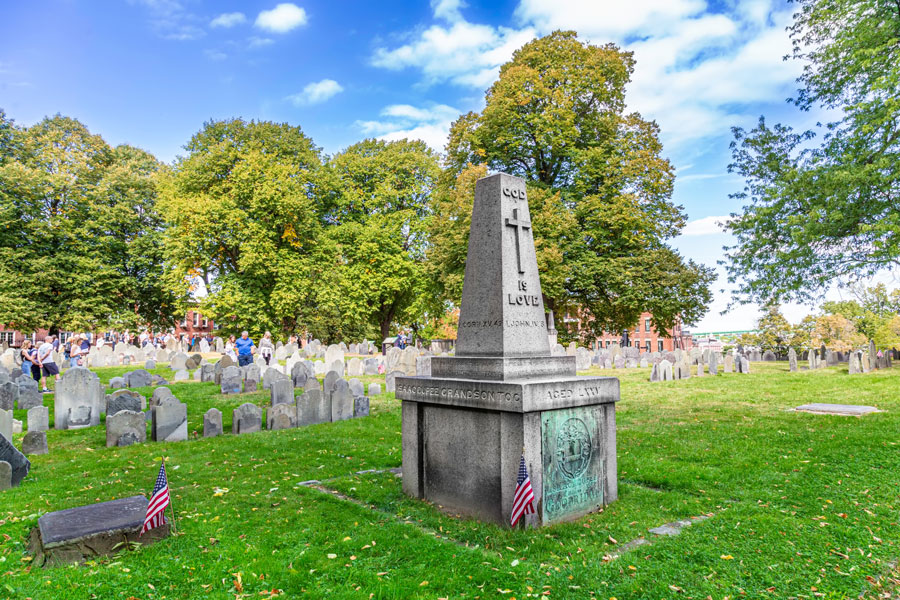
Copp’s Hill Burying Ground
The final resting place of merchants, artisans, and craftspeople who lived in Boston’s oldest settled neighborhood, the North End.
15
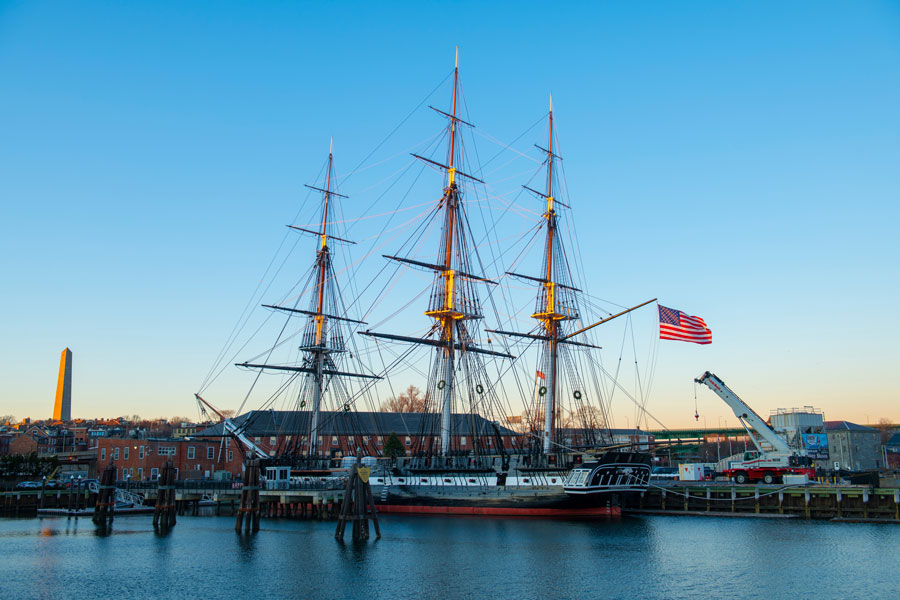
USS Constitution
Launched in 1797 and nicknamed “Old Ironsides,” the Constitution is the oldest commissioned warship afloat.
16
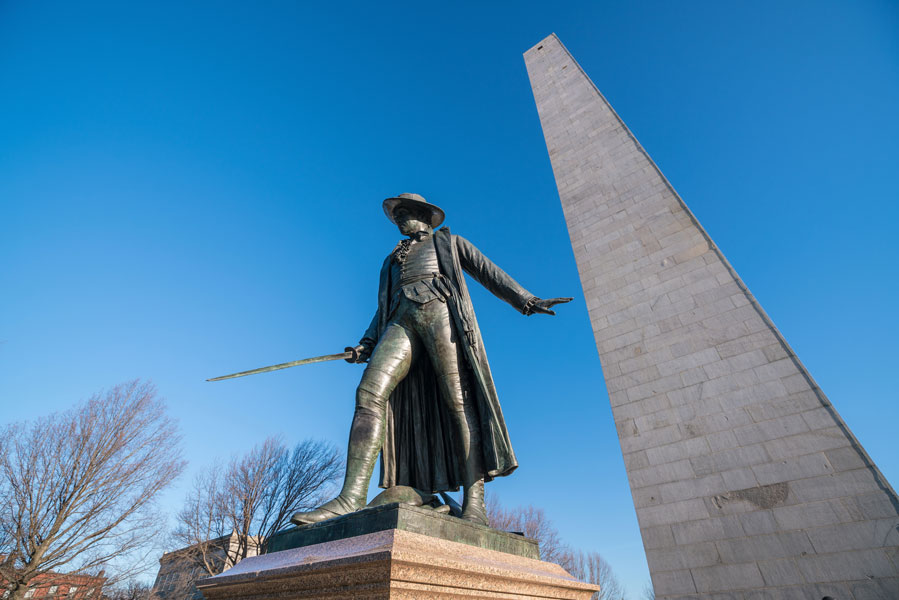
Bunker Hill Monument
This final stop of the Freedom Trail commemorates the Battle of Bunker Hill (June 17, 1775), the first major battle of the Revolutionary War.